What to Expect During a Residential Drain Cleaning Appointment


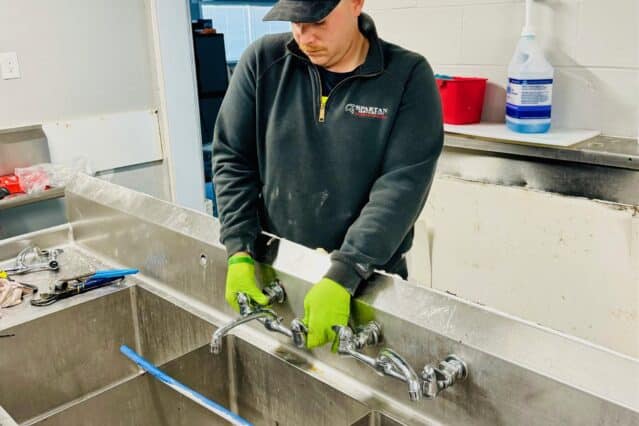
A residential drain cleaning appointment is usually far less dramatic than homeowners imagine, but it is also more involved than pouring a store-bought cleaner into a sink and hoping for the best. If you have never scheduled this kind of service before, it helps to know what actually happens once the technician arrives, how the problem is evaluated, and what results you should reasonably expect before the truck pulls away.
Drain issues tend to start small. A bathroom sink takes a little longer to empty. The shower holds water around your ankles. The kitchen drain gurgles after the dishwasher runs. Many people live with those warning signs for weeks or months, partly because the system is still working well enough, and partly because no one wants to call for service over what seems like a minor nuisance. Then one morning the toilet bubbles while the washing machine drains, or the tub backs up with gray water, and suddenly the problem is no longer minor.
That is usually when residential drain cleaning moves from a future task to an urgent appointment. Knowing the process ahead of time can make the visit smoother, help you ask better questions, and keep you from expecting miracles where a repair is actually needed.
Why drain cleaning appointments vary so much
Not every clogged drain is the same job. A slow lavatory sink with hair and soap buildup is one kind of service call. A main sewer line obstructed by grease, wipes, roots, or a sag in the pipe is another. The first may be handled quickly with hand tools or a compact machine. The second may require a larger cable machine, a sewer camera, or hydro jetting if the system and access are suitable.
That difference matters because homeowners often expect a flat, one-size-fits-all visit. In practice, the appointment is shaped by several variables: where the blockage is, how severe it is, whether one fixture is affected or many, how old the plumbing is, what the piping material is, and whether there is cleanout access. A 1960s home with cast iron drain lines tells a different story than a newer house with PVC throughout. A house on a slab can present different access constraints than one with a crawlspace or unfinished basement.
The best technicians do not walk in and immediately start feeding a machine into the nearest drain. They begin by narrowing down the problem. That early judgment often determines whether the appointment is fast and routine or whether it expands into a diagnostic visit with additional recommendations.
What happens before the technician starts work
When the technician arrives, the appointment usually begins with a conversation rather than a tool coming off the truck. Expect questions about what is backing up, when it started, whether the problem is isolated to one fixture, and whether anything unusual happened recently. If you say the kitchen sink has been slow for three months but now the dishwasher water rises in the disposal-side basin, that points in one direction. If you say the first-floor toilet overflows when the washing machine drains and there is water in the shower, that points in another.
A good technician will want a timeline. The timeline matters because a drain that suddenly stopped after a child flushed a toy is different from a line that has gradually narrowed with grease or scale. Even simple details can be useful. For example, if the upstairs bath drains fine but the downstairs shower backs up, that helps isolate where the restriction may be. If every fixture in the house is acting up, the likely problem is farther down the system.
At this stage, the technician is also looking around. Not in a nosy way, but with purpose. They may check whether there is a main cleanout outside, in a basement, or in a utility area. They may note whether the home has older brass, galvanized, cast iron, ABS, or PVC piping. They may ask if anyone has used chemical drain cleaners already. That last point is especially important because caustic products can remain in the line and create a hazard during service. If you used one, say so plainly. No professional will be offended. They would rather know than reach into a trap or open a fitting full of chemicals.
Expect some hands-on testing
Before using equipment, many technicians run water, flush toilets, or fill and drain a sink or tub to reproduce the issue. This may feel obvious, but it serves two purposes. First, it confirms the complaint in real time. Second, it helps determine whether the line is partially obstructed or fully blocked.
A partially restricted line often drains, but slowly, sometimes with bubbling or intermittent backup. A full blockage usually shows itself quickly. Water stands in the fixture, other fixtures react, or the line refuses to take even a modest volume of flow. In a main line situation, technicians may test the lowest fixtures in the house first, because those usually reveal trouble before higher fixtures do.
This is also the point where an experienced professional starts separating symptoms from causes. A kitchen sink that backs up on both sides may have a clog in the branch line, but it may also be linked to disposal discharge, grease accumulation, or poor existing plumbing layout. A bathtub that drains slowly may simply have hair at the stopper, https://trentonkuga402.rivetgarden.com/posts/how-residential-drain-cleaning-protects-against-overflow-and-backups or it may be connected to a larger branch issue affecting the nearby lavatory and toilet.
The most common tools used during residential drain cleaning
Most residential drain cleaning appointments rely on one or more mechanical methods. The exact tool depends on the line size, material, fixture type, and likely source of the blockage.
For a lavatory sink, the technician may start with simple disassembly of the pop-up assembly and trap. Hair, toothpaste sludge, and soap residue commonly collect there. This kind of clog is close to the fixture and often resolves without larger machinery. If the blockage is beyond the trap arm, a small cable machine may be used.
For tubs and showers, a hand auger or powered drain machine is common. These drains often accumulate hair, soap scum, and residue around bends close to the fixture. Toilets may require a closet auger if the obstruction is in the bowl or just beyond it. If the issue extends deeper, a larger machine through a cleanout may be the safer route.
For branch lines and main lines, technicians often use cable machines with different heads. A straight boring head can penetrate a stoppage. A cutting head can open a line more thoroughly, especially if grease, roots, or heavy buildup are involved. In some situations, hydro jetting is recommended, though that is not always part of a standard first appointment. Jetting can be highly effective, but it requires appropriate pipe condition, access, and professional judgment. On fragile or compromised piping, an aggressive cleaning method may not be the first choice.
Camera inspection may also come into play. If the drain opens but the technician suspects a structural issue, recurring root intrusion, a belly in the line, or heavy pipe deterioration, a camera gives a visual answer that guessing cannot.
What the actual cleaning process feels like from your side
From the homeowner’s perspective, drain cleaning is a mix of waiting, noise, water testing, and occasional updates. Once the work starts, you will probably hear the machine operate in cycles while the technician advances and retracts the cable. A serious main line cleaning can take time. It is not unusual for the first pass to restore some flow and for additional passes to follow so the line is more thoroughly cleared.
You may notice the technician laying down protective coverings, especially when working indoors. This is standard practice on better service calls. Drain equipment can be messy, and professionals know that homeowners care as much about clean floors and walls as they do about restored drainage. If the access point is in a finished area, the technician may take extra time to protect nearby surfaces before opening the line.
There can also be odors. Opening a drain system, especially one tied to a main sewer line, can release unpleasant smells. This is normal during the process and usually temporary. Noise levels vary too. A small sink auger is one thing. A larger sectional or drum machine clearing a main line is another. It is effective work, but it is not silent work.
One point worth knowing is that a drain may appear fixed halfway through the appointment and still need more cleaning. A line that starts draining after the first cable pass is not necessarily clean. Think of it as opening a narrow passage through a blockage rather than removing the entire condition. Good technicians verify performance before calling the job done.
When a camera inspection becomes important
Many homeowners are surprised when a technician recommends a sewer camera after the water starts draining again. They assume the problem is solved, so why add a diagnostic step?
The answer is that flow restoration and root-cause identification are not always the same thing. If the cable brought back mud, root fragments, heavy grease, or scale, the line may be open for now but still in rough shape. If this is the third backup in a year, a camera can show whether the issue is recurring buildup, intruding roots, offset joints, corrosion, or a sag that holds waste and paper.
In older homes, camera inspections often provide real value because they help distinguish between a maintenance problem and a pipe condition problem. A heavily scaled cast iron line may technically drain after cleaning, yet still have a reduced inner diameter that traps debris. A line with roots may work for a while after cabling but predictably clog again as regrowth occurs. A belly in the sewer line can create chronic slow movement of waste no matter how often the line is cleaned.
A camera also helps prevent overselling and underselling. Without visual confirmation, one person may assume a simple clog when a repair is needed. Another may push for replacement when routine maintenance could be enough. Seeing the line changes the conversation.
What you should ask during the visit
A drain cleaning appointment goes better when the homeowner asks practical, specific questions. You do not need to know plumbing terminology. You just need clarity.
Ask where the blockage appears to have been. Ask whether the technician believes the line is fully cleaned or simply reopened. Ask whether the clog looked like hair, grease, wipes, roots, scale, or foreign objects. Ask whether the problem appears isolated to one section or whether there are signs of a larger system issue. If the line backed up through a cleanout or floor drain, ask whether additional sanitation steps are recommended.
It is also reasonable to ask what happens next. Sometimes the answer is simple: use the fixture normally and call if symptoms return. Sometimes it is more nuanced: avoid heavy water use for an hour, schedule a camera inspection, or plan for periodic maintenance if the line has known root intrusion.
The quality of those answers tells you a lot. A confident technician should be able to explain what they found in plain language, what they did to address it, and what level of confidence they have in the result.
A few simple ways to prepare before the appointment
You do not need to do much before the technician arrives, but a little preparation can save time and avoid confusion.
- Clear the area around the affected fixtures, under sinks, and near any known cleanout access.
- Stop using the problem drain if possible, especially if backup water is already present.
- Tell the company in advance if you used chemical drain cleaner recently.
- Keep pets and small children away from the work area during the service call.
- Make note of which fixtures are slow, gurgling, or backing up, so you can describe the pattern clearly.
These are small steps, but they make the appointment more efficient. I have seen jobs lose twenty minutes just because a packed vanity cabinet had to be emptied before the trap could be accessed, or because nobody mentioned that the laundry standpipe overflowed too.
How long the appointment usually takes
A straightforward fixture drain cleaning can sometimes be completed within an hour. A more stubborn branch line may take longer, especially if access is difficult or the technician has to remove and reset parts to work safely. Main line stoppages can range from fairly quick to half a day, depending on how severe the obstruction is, where the access point is, whether repeated cable passes are needed, and whether a camera inspection is added.
The biggest time variables are diagnosis and cleanup. The actual machine work may be only part of the job. Finding the best access point, protecting the area, verifying restored flow, and explaining findings all take time. That is not wasted time. It is part of doing the job properly.
If a company gives you an unrealistically short estimate for every situation, be cautious. Good drain cleaning is not only about speed. It is about accuracy, safety, and leaving the system in the best condition that the existing piping allows.
What “fixed” should mean before the technician leaves
Homeowners sometimes assume that if the standing water is gone, the problem is solved. In a professional setting, the standard is a little higher. A properly completed appointment should include more than one sign of success.
The affected fixture or fixtures should drain at a normal rate under testing. If the issue involved multiple fixtures, the technician should check how they interact. For example, a toilet flush should not force water into a nearby tub. A kitchen sink should handle a sustained flow, not just a quick rinse. If the main line was blocked, lower fixtures should be tested with enough water to expose lingering restrictions.
The technician should also tell you what level of certainty they have. Sometimes they can say with confidence that the blockage was removed and the line is flowing well. Other times they may say the drain is open, but the line condition suggests future recurrence. Those are different outcomes, and an honest pro will not pretend otherwise.
Situations where cleaning may not be the whole answer
One of the most important things to understand about residential drain cleaning is that it addresses obstructions, not every plumbing defect. If the pipe is broken, poorly sloped, heavily corroded, or invaded by roots through failed joints, cleaning can restore use, but it may not deliver a lasting cure.
This is especially true in older sewer lines. Cast iron can develop scaling and channeling. Clay pipe can shift and admit roots. Orangeburg, where it still exists, can deform badly with age. Even newer plastic systems can have problems if installation was poor. A line with a belly may collect solids repeatedly. A line with an offset joint may snag paper and waste. In those cases, the technician may recommend repair, replacement, or periodic maintenance as the more realistic path.
That does not mean the cleaning was pointless. Restoring drainage is valuable, especially during an active backup. It simply means that a professional recommendation after the fact may be about the pipe itself, not the clog that brought them there.
What recurring clogs often reveal
When homeowners call for the same drain every few months, there is usually more going on than bad luck. Repeated kitchen stoppages often point to grease accumulation, food solids, poor habits at the sink, or an undersized or poorly pitched line. Recurring bathroom clogs can mean persistent hair buildup, but they can also signal a deeper branch restriction. Frequent main line backups raise stronger concern about roots, structural defects, wipes, or heavy scale.
I once saw a house where the owners believed they had a chronic toilet issue because the hall bath backed up every few weeks. The real problem was a partial main line restriction downstream, and the hall bath was simply the first place it showed itself. Another common case is a shower that is snaked repeatedly from the drain opening, even though the real trouble lies farther along the branch line. Reopening the same small section over and over gives temporary relief but does not address the full problem.
Patterns matter. That is why good technicians ask where, when, and how often.
What the bill may reflect
Drain cleaning invoices can vary widely, and not always because one company is better than another. Pricing is influenced by fixture type, severity of blockage, access difficulty, time on site, equipment used, emergency timing, and whether diagnostics such as camera work are included.
A simple sink stoppage is generally less involved than a weekend main sewer backup requiring a large machine and extended testing. Hydro jetting, when appropriate, is usually priced differently from standard cabling because the equipment, setup, and cleaning action are different. Camera inspections may be bundled in some cases or quoted separately in others.
What matters most is not chasing the lowest number, but understanding what was included. Did the technician clear the line through the most effective access point, test the system properly, and explain any underlying concerns? Or was the appointment little more than a quick pass with minimal verification? Cheap drain cleaning can become expensive if the problem returns three days later because the line was barely opened.
Aftercare and habits that help
Once the drain is flowing again, most technicians will offer some guidance based on what they found. Hair screens in showers can help if bathroom drains were packed with hair. Better grease handling in the kitchen can reduce repeat buildup. Avoiding so-called flushable wipes can spare a main line from a very common source of blockage. If roots were found, periodic preventive service may be suggested, especially in homes with mature trees and older sewer piping.
The one aftercare point almost every plumber agrees on is to be careful with chemical drain cleaners. They are often overused, frequently ineffective on serious stoppages, and sometimes hard on piping or dangerous during later service. Mechanical cleaning and proper diagnosis are usually the safer route for meaningful blockages.
It is also smart to pay attention over the next few days. Most successful appointments end with immediate normal use, but if slow drainage, gurgling, or backup returns quickly, report it. The timing helps the company evaluate whether the original issue was only partially resolved or whether another condition is involved.
The real value of a professional appointment
At its best, a residential drain cleaning appointment does more than restore water flow. It gives you a clearer picture of how your drainage system is behaving, where the weakness may be, and whether you are dealing with a routine maintenance issue or the early signs of a repair problem.
For homeowners, that clarity matters as much as the immediate fix. A sink that drains again is a relief. Knowing why it clogged, how thoroughly it was cleaned, and what warning signs to watch for next is what makes the service worthwhile. A good technician leaves you with both: a working drain and a grounded understanding of what happened in your home’s plumbing.
Spartan Plumbing Services
Address: 760 107th St S, Tacoma, WA 98444
Phone number: +12534998773
FAQ About Residential Drain Cleaning
How much does it cost to have someone clean your drains?
Professional drain cleaning costs between $147 and $352 on average, with most homeowners paying around $246. The final price is heavily determined by the type of drain affected, the clearing method needed, and your geographic location.
How much does it cost to clean a drain line?
Professional drain cleaning costs between $147 and $352 on average, with most standard residential jobs landing right around $246. However, your final bill can scale from $100 to over $800 depending entirely on which drain is clogged and the method required to clear it.
Is professional drain cleaning worth it?
Yes, professional drain cleaning is worth it because it clears deep buildup and prevents expensive plumbing emergencies.